



What Are the Essential Spare Parts to Keep for an Industrial Air Compressor?
The essential spare parts to keep for an industrial air compressor are filters, separators, oils, lubricants, inlet valves, control air values, donut gaskets and hoses. Having these parts ready to go just makes life easier. Filters and separators help keep dirt and grime out of your machine, so you don’t have to worry about bigger […]
Read MoreWhat Should You Look for When Buying a Vacuum Pump for Your Factory?
When buying a vacuum pump for your factory, you should look for flow rate (CFM), vacuum strength and durability. The flow rate tells you how much air the pump can move. The vacuum strength tells you how much pressure the pump can handle and how deep a vacuum it can create. Durable vacuum pumps are […]
Read MoreWhere Is the Best Place to Buy Replacement Parts for My Air Compressor?

Key Takeaways: OEM air compressor parts provide the proper fit, reliable performance, and compatibility needed for your specific compressor system. Buying from the manufacturer or an authorized dealer can simplify parts identification, improve availability, and reduce equipment downtime. Although OEM parts may cost more initially, their durability and efficiency can lower maintenance expenses and total […]
Read MoreWhat Is the Life Cycle Cost of an Industrial Air Compressor?

The true life cycle cost of an industrial air compressor includes the up-front investment, energy costs, ongoing maintenance and repairs, downtime, and eventual disposal costs. Understanding air compressor life cycle cost helps businesses evaluate the total cost of ownership over the system’s entire operational lifespan — not just the initial purchase price. Breaking Down the […]
Read MoreDesign Considerations for Your Compressor Room
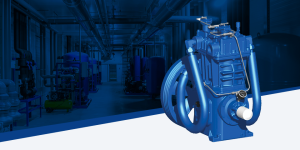
Key Takeaways: A well-planned compressor room is essential for maximizing operational efficiency, accommodating current needs, and ensuring future scalability by carefully integrating airflow and accessibility. Choosing the optimal location, whether centralized for monitoring or decentralized for efficiency, significantly impacts system performance, maintenance, and overall control. Critical design elements include planning for future expansion, safeguarding ambient […]
Read MoreHow to Choose the Right Air Compressors for Nail Guns

Key Takeaways: Most nail gun applications require air compressors rated between 2.0 and 4.0 CFM with pressure ratings of 70 to 120 PSI, with specific requirements varying by nailer type such as framing, finishing, brad, or staple guns. Key factors when selecting a nail gun compressor include portability and weight, noise level, capacity specifications matching […]
Read MoreBreaking Down the Impact Air Compressors Have on Aquaculture Farming

Aquaculture is becoming a critical source of food for people around the world, especially in the United States. With Americans eating more seafood each year, overfishing wild populations is a serious risk. Commercial fish farming, also known as aquaculture, helps meet the rising demand and makes the seafood industry more sustainable. Air compressors play a significant […]
Read MoreAir Compressors in the Medical Rehabilitation Industry
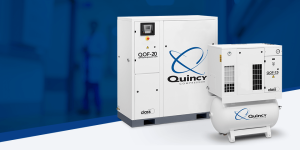
Pneumatics and breathing support are vital tools for the medical rehabilitation of many conditions. Understanding how they work, and what regulations a facility must follow to ensure safe, compliant operation, is critical for patient success and continued business. This guide explores the use of an air compressor for medical rehabilitation applications. Uses of Medical Air […]
Read MoreAdvantages of an Air Compressor Controller

Key Takeaways: Air compressor controllers significantly enhance energy efficiency and reduce operational costs by optimizing air supply to match demand, preventing unnecessary energy consumption. These controllers improve system reliability through continuous monitoring, effective load management, and remote access, which helps prevent downtime and ensures consistent product quality. Modern controllers offer flexible capabilities like Variable Speed […]
Read MoreHow Does Compressed Air Quality Affect Performance?

Key Takeaways: Poor compressed air quality can damage equipment, reduce efficiency, compromise products, and cause regulatory violations. Moisture, oil, dust, dirt, and rust can contaminate air systems, making proper filtration, drying, and maintenance essential. Choosing a reliable compressor and following standards such as ISO 8573-1 and ISO 12500 helps protect operations, products, and long-term equipment […]
Read More