



Breaking Down the Impact Air Compressors Have on Aquaculture Farming

Key Takeaways: Oil-free air compressors are critical in aquaculture for maintaining water quality through continuous oxygenation, circulation, and waste removal. Pneumatic systems powered by compressed air streamline farm operations by automating fish feeding, handling, and safe transport without manual labor. Compressed air applications like protective bubble curtains safeguard fish populations from predators while enhancing overall […]
Read MoreAir Compressors in the Medical Rehabilitation Industry
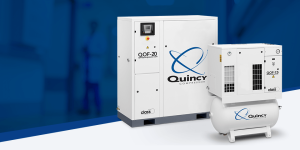
Key Takeaways: Medical-grade air compressors provide essential pneumatic power for respiratory therapy, mobility aids, therapeutic devices, and diagnostic tools in rehabilitation. Scroll compressors are widely used in medical settings because they deliver quiet, consistent, and oil-free operation that ensures patient safety and hygiene. Medical air compressors must strictly comply with rigorous industry standards and regulations, […]
Read MoreAdvantages of an Air Compressor Controller

Key Takeaways: Air compressor controllers significantly enhance energy efficiency and reduce operational costs by optimizing air supply to match demand, preventing unnecessary energy consumption. These controllers improve system reliability through continuous monitoring, effective load management, and remote access, which helps prevent downtime and ensures consistent product quality. Modern controllers offer flexible capabilities like Variable Speed […]
Read MoreHow Does Compressed Air Quality Affect Performance?

Key Takeaways: Poor compressed air quality can damage equipment, reduce efficiency, compromise products, and cause regulatory violations. Moisture, oil, dust, dirt, and rust can contaminate air systems, making proper filtration, drying, and maintenance essential. Choosing a reliable compressor and following standards such as ISO 8573-1 and ISO 12500 helps protect operations, products, and long-term equipment […]
Read MoreMeasuring Air Compressor Performance to Ensure Efficiency

Key Takeaways: Measuring air compressor performance is essential for assessing overall efficiency, as limited efficiency directly increases power consumption and operational costs. Key performance metrics include power consumption, air delivery, and pressure profiles, quantified using formulas like volumetric efficiency and Free Air Delivery (FAD). Improving compressor energy efficiency involves regular maintenance, advanced controllers, optimized system […]
Read MoreHow Can I Improve the Energy Efficiency of My Compressed Air System?
Summary: Improving the energy efficiency of a compressed air system involves reducing waste, optimizing performance and matching equipment to demand. By identifying inefficiencies and applying targeted upgrades, businesses can lower energy costs and improve system reliability. These proven methods can help you get started: Audit your system to identify energy waste, leaks and mismatched supply and […]
Read MoreWhat Are the Environmental Benefits of Using Oil-Free Compressors?
Key Takeaways: Oil-free air compressors eliminate lubrication from the compression chamber, ensuring air purity and preventing contamination, which is a critical advantage over oil-lubricated models. These compressors offer significant environmental benefits, including reduced oil waste, lower emissions, minimized contamination risks, and greater energy efficiency, aiding compliance with environmental regulations. Oil-free compressors are widely adopted across […]
Read MoreAir Compressor Maintenance Checklist
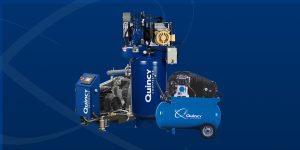
Key Takeaways: Preventive maintenance is crucial for sustaining peak air compressor performance, maximizing equipment lifespan, and preventing costly downtime. Professional annual maintenance encompasses critical tasks like replacing air filters, cleaning heat exchangers, checking lubricants, and servicing the air receiver tank, ensuring safe and efficient operation. Neglecting routine maintenance leads to reduced efficiency, increased operational strain, […]
Read MoreHow to Prevent Air Compressor Electrical Issues and Increase CO2 Savings

Key Takeaways: Electrical problems in air compressors, such as voltage fluctuations and overloaded circuits, directly reduce efficiency, leading to increased energy consumption, higher operating costs, and greater CO2 emissions. Regular preventative maintenance, including monitoring voltage, calibrating control systems, and inspecting electrical connections, is crucial for mitigating these issues and optimizing compressor performance. Proactive maintenance not […]
Read MoreHow Regular Servicing Can Prevent Oil Issues in Air Compressors

Key Takeaways: Air compressors often experience various oil-related problems including contamination, leaks, erosion, excessive carryover, and clogged return lines, all of which hinder performance and can cause significant damage. These issues typically stem from factors like high operating temperatures, incorrect oil levels, faulty return lines, or simply old, degraded oil, necessitating vigilant monitoring. Regular professional […]
Read More
