



Oil-Free Air Compressor Maintenance

Key Takeaways: Oil-free air compressors demand regular servicing and inspections to guarantee optimal performance, protect your investment, and maintain the integrity of your processes. Essential maintenance for oil-free units involves diligently checking the safety valve, consistently draining the tank of condensation, and regularly assessing air filter quality for wear or contamination. Adhering to these routine […]
Read MoreAir Powered Tools

Key Takeaways: Air-powered tools are lightweight, durable, and easy to maintain, helping reduce operator fatigue, repair needs, and equipment downtime. Pneumatic tools offer reliable, versatile, and safer power than electric or hydraulic alternatives for many industrial, automotive, woodworking, and home applications. Choosing the right air compressor requires matching its CFM, PSIG, tank size, motor, […]
Read MoreHow to Replace The Regulator on an Air Compressor

Key Takeaways: The air compressor regulator controls air pressure to connected tools, requiring replacement if it exhibits leaks, random pressure drops, or a broken internal seal. Successful regulator replacement necessitates safely depressurizing the entire system and gathering specific tools like a new, correctly sized regulator, adjustable wrench, and Teflon tape. The replacement process involves careful […]
Read MoreHow to Fix an Air Compressor

Key Takeaways: Air leaks, starting failures, pressure issues, and overheating are a few common air compressor problems that can be identified and fixed. Learning to replace key components like check valves, regulators, pressure switches, and valve plates can extend your machine’s life. If your compressor is under 10 years old, operates above 60% capacity, and […]
Read MoreHow Quieter Compressors Benefit Your Workplace

Key Takeaways: Reducing workplace noise helps protect employees from hearing loss, hypertension, communication barriers, and injuries caused by missed warnings or signals. Air compressor noise comes from vibrations, intake and exhaust sounds, equipment placement, and machine design, but insulation, padding, and quieter equipment can help. Investing in quiet air compressors can create a safer, healthier, […]
Read MoreChoosing an Air Flow Controller
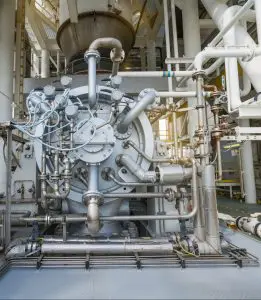
Key Takeaways: Air flow controllers regulate the volume of air moving through a pneumatic system, while air regulators control pressure. Choose a controller based on its connection type, adjustment method, operating environment, valve configuration, and required flow rate. Motorized, proportional, and manual controllers offer different levels of precision and control for various pneumatic applications. In […]
Read MoreHow to Winterize Your Air Compressor

Key Takeaways: Winterizing your air compressor helps reduce energy costs, downtime, repairs, and damage from freezing temperatures. Regular maintenance, insulation checks, and weatherstripping inspections help protect your system from cold-weather issues. Monitor condensation and use heat trace tape, heaters, and properly adjusted louvers to prevent frozen drains, pipes, and components. As you manage demand for […]
Read MoreHow to Read Air Compressor Gauges

Key Takeaways: Air compressors typically feature two gauges: a tank gauge to show pressure inside the tank, and a regulator gauge to display pressure delivered to tools. Both gauges measure pressure in pounds per square inch (PSI) and are read by observing a needle on a circular dial, similar to a vehicle’s speedometer. Maintaining the […]
Read MoreVapor Recovery
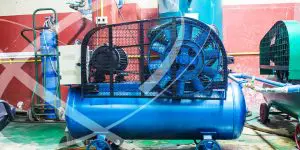
Key Takeaways: Vapor recovery systems capture fuel vapors before they escape, improving safety, reducing emissions, and preventing product loss. A vapor recovery unit’s performance depends on factors such as gas composition, flow rate, pressure, temperature, and available power. Screw, rotary vane, and reciprocating compressors support different vapor recovery applications, from low-pressure systems to higher-volume gas […]
Read MoreMyths About Compressed Air Debunked

Air Compressor Myths Compressed air is a vital source of power in modern day automation and industrial assembly. When it comes to the construction and repair of automobiles, compressed air is used in everything from building the frames to the completion of passenger compartments. In building construction, air compressors power the tools that are used […]
Read More