



How Does Air System Piping Affect the Performance of an Air Compressor?
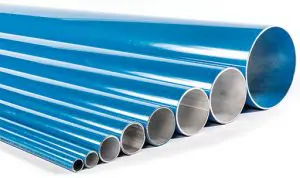
Your air system piping controls how efficiently compressed air gets from the compressor to your tools — and how well it does that depends on pipe size and fittings, layout design and material choice. Get any one of these wrong, and you’ll see pressure drop before air reaches your equipment, pushing your compressor to work harder and […]
Read MoreHow To Maintain Consistent Air Pressure in a Manufacturing Environment
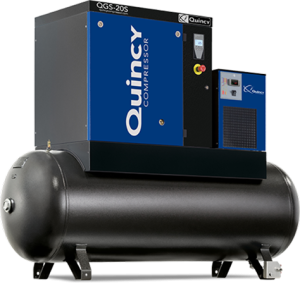
Maintaining consistent air pressure in a manufacturing environment depends on three factors. Regulating pressure at the right points in your piping, staying ahead of leaks and auditing your system regularly. Miss any one of these, and it shows up as pressure drops where your equipment runs. Each of these factors works together. The right regulators […]
Read MoreHow To Compare the Operating Costs of Different Air Compressors

You can compare the operating costs of different air compressors by looking at four things: how much electricity the machine uses, how efficiently it produces compressed air, how well its controls match your actual demand, and what routine maintenance costs. Of these four, electricity is the biggest expense. It makes up about 76% of a compressor’s […]
Read MoreIs a Piston or Rotary Screw Compressor Better for an Auto Body Shop?
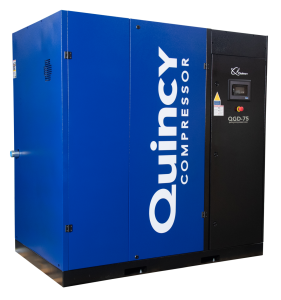
For most auto body shops, a rotary screw compressor is the better choice because it provides a steady, continuous flow of air, which is important when running multiple tools or paint booths at once. If your shop is small or you have lower air demands, a piston compressor can get the job done and might […]
Read MoreWhat Industries Require 100% Oil-Free Compressed Air?
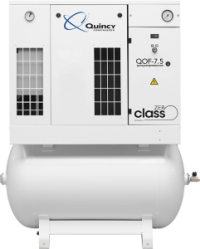
Industries that require 100% oil-free compressed air include pharmaceutical, medical, food and beverage, automotive and manufacturing industries. For these industries, even a tiny drop of oil could compromise quality, safety or purity. Using oil-free compressors in these environments is a necessity to prevent contamination and meet strict industry standards. 1. Pharmaceutical Facilities The pharmaceutical industry demands oil-free […]
Read MoreHow Do You Size an Air Compressor for Jackhammers or Sandblasting?

You can size an air compressor for jackhammers or sandblasting by matching its airflow (CFM) and pressure (PSI) to your tools’ needs. Most jackhammers need a compressor that provides 60 to 120 CFM and at least 60 to 100 PSI. Sandblasters can range between 10 and 100 CFM or more, so always check your tool’s […]
Read MoreDo Textile Factories Need Oil-Free Air Compressors?
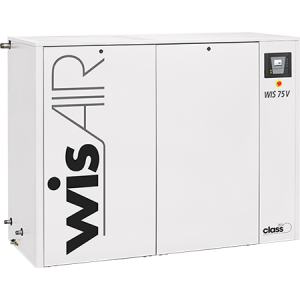
Yes, textile factories need oil-free air compressors, especially anywhere the risk of contamination could affect the quality of the fabric or final product. Even just a tiny bit of oil in the air can ruin dyeing, stain delicate fibers, or cause defects you might not notice until it’s too late. For sensitive processes, or anytime […]
Read MoreWhen to Buy a Reciprocating Compressor Instead of a Rotary Screw?
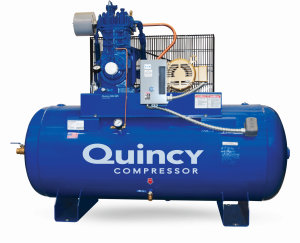
Buy a reciprocating compressor instead of a rotary screw compressor when your budget is tight, your air demand is not constant or you need very high pressure for specific jobs. Reciprocating compressors are workhorses for small shops, garages and anyone whose air needs come and go rather than run all day. What Is the Difference […]
Read MoreHow Do I Size an Air Compressor for a Brewery Packaging Line?

You size an air compressor for a brewery packaging line by calculating the combined CFM requirements of fillers, labeling machines and can seamers running at the same time while ensuring the system delivers ISO 8573-1 Class 0 oil-free air to prevent product contamination. Your packaging line typically demands 15-25 CFM for a 60-can-per-minute operation, with peak consumption […]
Read MoreHow Do I Connect Multiple Air Tools to a Single Compressor?

You connect multiple air tools to a single air compressor by installing an air compressor manifold or splitter valve, which divides a single output into several outlets. Your system must handle the combined CFM requirements of all tools running simultaneously and include pressure regulators to control airflow to each tool. Ensure proper hose sizing and airtight connections […]
Read More