



When to Buy a Reciprocating Compressor Instead of a Rotary Screw?
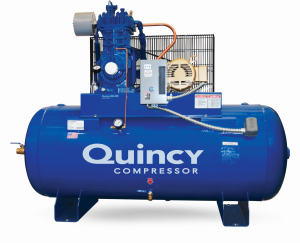
Buy a reciprocating compressor instead of a rotary screw compressor when your budget is tight, your air demand is not constant or you need very high pressure for specific jobs. Reciprocating compressors are workhorses for small shops, garages and anyone whose air needs come and go rather than run all day. What Is the Difference […]
Read MoreHow Do I Size an Air Compressor for a Brewery Packaging Line?

You size an air compressor for a brewery packaging line by calculating the combined CFM requirements of fillers, labeling machines and can seamers running at the same time while ensuring the system delivers ISO 8573-1 Class 0 oil-free air to prevent product contamination. Your packaging line typically demands 15-25 CFM for a 60-can-per-minute operation, with peak consumption […]
Read MoreHow Do I Connect Multiple Air Tools to a Single Compressor?
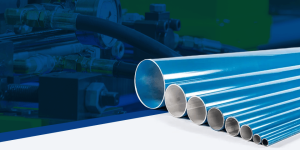
Key Takeaways: Connecting multiple air tools requires using a manifold or splitter valve to divide a single compressor output into several controlled lines. Total CFM requirements must be calculated by adding the simultaneous tool demands and applying a safety margin to prevent pressure drops. Proper system arrangement involves strategic piping placement, short individual hose runs, […]
Read MoreHow Much Can I Save by Upgrading to a High-Efficiency Compressor?

You can save 30-50% on electricity costs by upgrading to a high-efficiency variable speed drive (VSD) compressor if your compressed air demand fluctuates throughout production cycles. Fixed-speed compressors operating below 80% capacity for extended periods burn energy without proportional air delivery. A high-efficiency VSD model adjusts motor speed to match real-time requirements and operates at […]
Read MoreHow Do I Choose a Good Portable Industrial Air Compressor?
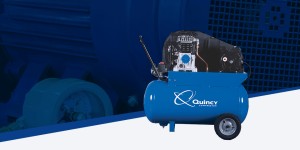
You choose a good portable industrial air compressor by matching five key specifications to your tools, including CFM (airflow volume), PSI (pressure), duty cycle (runtime capacity), tank size and power source. Identify your CFM and PSI requirements based on the tools you’ll run simultaneously and confirm the duty cycle can handle your work pattern without overheating. Select […]
Read MoreWhy Installing an Air Compressor in Your Garage Can Be Beneficial

[Summary: Installing an air compressor in your garage makes a wide range of projects faster, easier and more precise. Versatility: A single compressor can power many tools. Efficiency: Pneumatic tools complete tasks in a fraction of the time compared to manual equivalents. Performance: Compressed air delivers consistent, reliable power for both light-duty and more demanding applications. Value: A properly […]
Read MoreWhat Are the Essential Spare Parts to Keep for an Industrial Air Compressor?
The essential spare parts to keep for an industrial air compressor are filters, separators, oils, lubricants, inlet valves, control air values, donut gaskets and hoses. Having these parts ready to go just makes life easier. Filters and separators help keep dirt and grime out of your machine, so you don’t have to worry about bigger […]
Read MoreWhat Should You Look for When Buying a Vacuum Pump for Your Factory?
When buying a vacuum pump for your factory, you should look for flow rate (CFM), vacuum strength and durability. The flow rate tells you how much air the pump can move. The vacuum strength tells you how much pressure the pump can handle and how deep a vacuum it can create. Durable vacuum pumps are […]
Read MoreWhere Is the Best Place to Buy Replacement Parts for My Air Compressor?
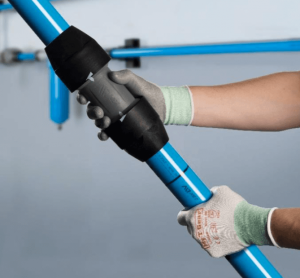
Key Takeaways: OEM air compressor parts provide the proper fit, reliable performance, and compatibility needed for your specific compressor system. Buying from the manufacturer or an authorized dealer can simplify parts identification, improve availability, and reduce equipment downtime. Although OEM parts may cost more initially, their durability and efficiency can lower maintenance expenses and total […]
Read MoreWhat Is the Life Cycle Cost of an Industrial Air Compressor?

Key Takeaways: An industrial air compressor’s life cycle cost includes purchase and installation, energy, maintenance and repairs, downtime, and eventual removal or disposal. Energy use, system pressure, operating hours, air leaks, workload, and maintenance practices all affect the compressor’s long-term cost of ownership. Comparing long-term operating costs, reliability, and performance can help businesses make informed […]
Read More
