



Vapor Recovery
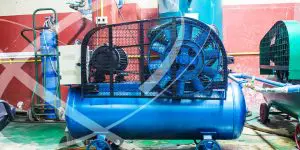
Key Takeaways: Vapor recovery systems capture fuel vapors before they escape, improving safety, reducing emissions, and preventing product loss. A vapor recovery unit’s performance depends on factors such as gas composition, flow rate, pressure, temperature, and available power. Screw, rotary vane, and reciprocating compressors support different vapor recovery applications, from low-pressure systems to higher-volume gas […]
Read MoreMyths About Compressed Air Debunked

Air Compressor Myths Compressed air is a vital source of power in modern day automation and industrial assembly. When it comes to the construction and repair of automobiles, compressed air is used in everything from building the frames to the completion of passenger compartments. In building construction, air compressors power the tools that are used […]
Read MoreRotary Screw Compressor Maintenance Guide

Key Takeaways: Regular rotary screw compressor maintenance prevents costly downtime, emergency repairs, and premature equipment failure. Inspect the airend, drive train, motor, filters, and lubricants regularly to maintain safe, efficient, and reliable operation. Follow the manufacturer’s maintenance schedule and investigate unusual heat, noise, vibration, pressure changes, or oil carryover promptly. Of all the different types […]
Read More4 Ways Artists Use Air Compressors to Make Art

Key Takeaways: Air compressors provide artists with precise airflow and pressure control, serving as versatile power sources for creative applications. Pneumatic tools enable fluid artists, tattooists, and painters to achieve detailed designs, smooth shading, and even coats on various surfaces. Lightweight, compact air compressors offer artists portability, easy cleanup, and reliable performance for mobile or […]
Read MoreHow to Use an Air Compressor to Get Bike Handlebar Grips Off

Key Takeaways: Compressed air provides a non-destructive method for removing bike handlebar grips, allowing cyclists to slide them off intact and reuse them. The removal process involves slipping a thin nozzle under the outer edge of the grip, injecting air to inflate it slightly, and pulling it free. Portable, single-chamber air compressors deliver more than […]
Read MoreMulti-Stage Compressors

Key Takeaways: Multi-stage compressors cool air between compression stages, reducing the work needed to pressurize air and lowering operating costs compared to single-stage machines. Two- and three-stage compressors produce less moisture buildup, may require fewer maintenance intervals, and can deliver higher PSI at greater CFM. Choose a multi-stage compressor if you need pressures above 100 […]
Read MoreWhen to Change Air Compressor Oil

Key Takeaways: Regular oil changes, typically every 100-200 hours or few months, are essential to extend air compressor lifespan and prevent breakdowns. Low or contaminated oil risks overheating, accelerated wear, rust, corrosion, and ultimately, compressor failure. Always check oil levels, drain completely, refill correctly with recommended oil, and avoid overfilling. Maintaining your air compressor with […]
Read MoreAir Compressor Audit Guide

Key Takeaways: Compressed air audits can uncover energy waste, reliability problems, and opportunities to improve system performance and equipment life. A thorough audit evaluates the full system, including leaks, filters, pressure needs, dryer compatibility, storage capacity, and operating schedules. Audit findings are most useful when they lead to a cost-effective action plan and a follow-up […]
Read MoreChoosing the Right Oil for Your Air Compressor

Key Takeaways: Air compressor oil is specially formulated without detergent and can come in natural or synthetic types. Always use the oil your manufacturer recommends to protect your warranty and avoid damage from substitutes like motor oil. Synthetic oil extends compressor life by up to 8,000 hours and is beneficial for professional users who operate […]
Read MoreHow Do I Know How Much Pressure I Need for a Given Situation?

Key Takeaways: Different pneumatic tools require specific PSI and CFM ratings that must be matched to your air compressor’s output capacity. Portable air compressor tools typically require 0-5 CFM at 70-90 PSI, while larger stationary systems usually exceed 10 CFM at 100-120 PSI. When tools are used continuously rather than intermittently, you should multiply the […]
Read More
