



What Maintenance Does a Desiccant Air Dryer Require?

A desiccant air dryer requires maintenance on components such as its filtration, valving, desiccant, purge muffler, control system, blower and temperature controls. Here are the maintenance checks, repairs and replacements that desiccant dryers need: Drain and Separator Function Testing The drain valve in a desiccant air dryer must work properly to drain condensate from the […]
Read MoreHeatless vs. Heated-Purge vs. Blower Purge Desiccant Dryers

Some industrial processes require dew points below 35°F to 40°F, a range that refrigerated dryers cannot reach. Heatless, heated and blower purge dryers close that gap by adsorbing moisture from compressed air. Each can produce reliably dry results. The method each type uses to regenerate desiccant makes them unique, and that difference drives real swings […]
Read MoreWhat Industries Commonly Use Vacuum Pumps and How Do They Benefit?
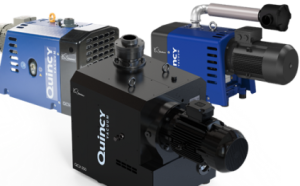
Manufacturing, pharmaceuticals, food processing, aerospace, automotive and healthcare are some of the industries that commonly use vacuum pumps to improve process control, product quality, safety and efficiency. Vacuum pumps are mechanical devices that remove air and other gases from a sealed space to create a partial vacuum. This technology is essential for processes that demand […]
Read MoreHow Does Air System Piping Affect the Performance of an Air Compressor?
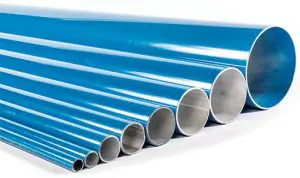
Your air system piping controls how efficiently compressed air gets from the compressor to your tools — and how well it does that depends on pipe size and fittings, layout design and material choice. Get any one of these wrong, and you’ll see pressure drop before air reaches your equipment, pushing your compressor to work harder and […]
Read MoreHow To Maintain Consistent Air Pressure in a Manufacturing Environment
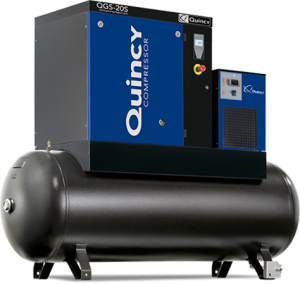
Maintaining consistent air pressure in a manufacturing environment depends on three factors. Regulating pressure at the right points in your piping, staying ahead of leaks and auditing your system regularly. Miss any one of these, and it shows up as pressure drops where your equipment runs. Each of these factors works together. The right regulators […]
Read MoreHow To Compare the Operating Costs of Different Air Compressors

Key Takeaways: Electricity consumption constitutes the vast majority of an air compressor’s total lifetime expense, making daily running costs far more critical than upfront purchase prices. Comparing operating costs requires evaluating electricity use, production efficiency, control matching, and routine maintenance requirements for specific applications. Matching compressor controls like variable speed drives to actual demand and […]
Read MoreIs a Piston or Rotary Screw Compressor Better for an Auto Body Shop?
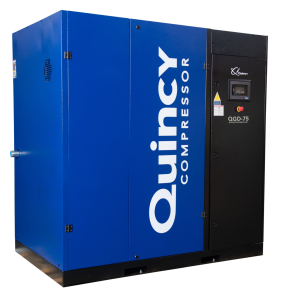
Key Takeaways: Rotary screw compressors suit auto body shops with continuous air needs, multiple tools, or paint booths because they provide steady airflow and pressure. Piston compressors can work well for smaller shops with lower or occasional air demand, and they are generally less expensive and simpler to maintain. The right compressor depends on the […]
Read MoreWhat Industries Require 100% Oil-Free Compressed Air?
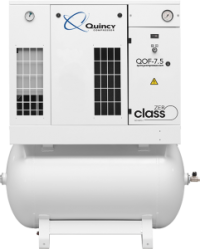
Industries that require 100% oil-free compressed air include pharmaceutical, medical, food and beverage, automotive and manufacturing industries. For these industries, even a tiny drop of oil could compromise quality, safety or purity. Using oil-free compressors in these environments is a necessity to prevent contamination and meet strict industry standards. 1. Pharmaceutical Facilities The pharmaceutical industry demands oil-free […]
Read MoreHow Do You Size an Air Compressor for Jackhammers or Sandblasting?

You can size an air compressor for jackhammers or sandblasting by matching its airflow (CFM) and pressure (PSI) to your tools’ needs. Most jackhammers need a compressor that provides 60 to 120 CFM and at least 60 to 100 PSI. Sandblasters can range between 10 and 100 CFM or more, so always check your tool’s […]
Read MoreDo Textile Factories Need Oil-Free Air Compressors?
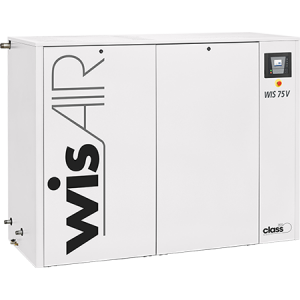
Yes, textile factories need oil-free air compressors, especially anywhere the risk of contamination could affect the quality of the fabric or final product. Even just a tiny bit of oil in the air can ruin dyeing, stain delicate fibers, or cause defects you might not notice until it’s too late. For sensitive processes, or anytime […]
Read More
