



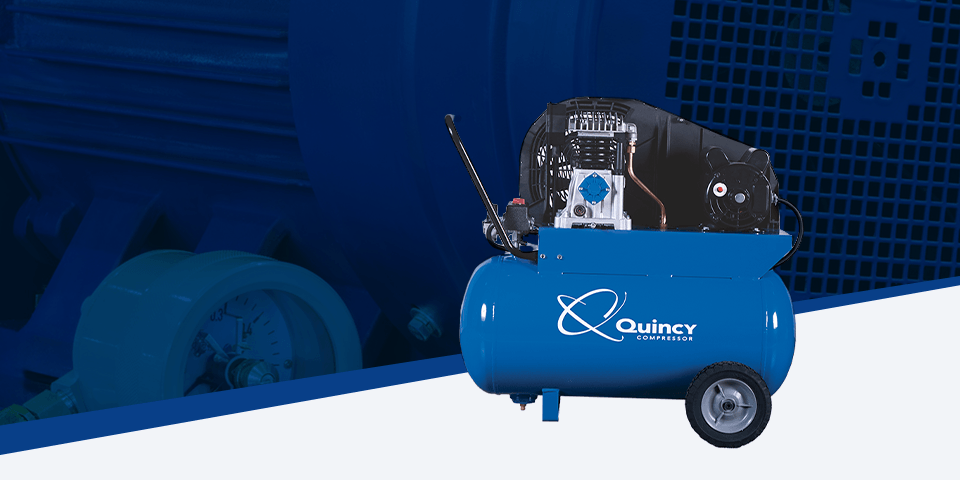
You choose a good portable industrial air compressor by matching five key specifications to your tools, including CFM (airflow volume), PSI (pressure), duty cycle (runtime capacity), tank size and power source. Identify your CFM and PSI requirements based on the tools you’ll run simultaneously and confirm the duty cycle can handle your work pattern without overheating. Select an appropriate tank size and choose between electric or gas power based on your work environment.
What CFM Rating Do I Need for My Portable Air Compressor?
Your portable air compressor needs a CFM rating at least 25% higher than the combined CFM of all tools you’ll operate simultaneously. Start by listing every pneumatic tool you’ll use and finding each tool’s CFM requirement. Add up the CFM for tools you’ll run simultaneously, then multiply by 1.25 to account for the 25% safety margin.
For example, if you’re running an impact wrench (5 CFM) and an air drill (4 CFM) at once, that’s (9 CFM * 1.25) = 11.25 CFM minimum. Quincy portable air compressors deliver reliable airflow ranging from 4 to 13.7 CFM at 100 PSI.
What PSI Should My Industrial Air Compressor Deliver?
Your industrial air compressor should deliver at least 90 PSI. Standard shop tools operate efficiently at 90 PSI, while heavy-duty applications like sandblasting require 100-125 PSI. Quincy Compressor’s single-stage portable compressors deliver between 110 and 145 PSI, giving you a margin to account for pressure drop through hoses and fittings.
Remember that PSI measures the force of your compressed air while CFM measures the volume. You need both specs matched to your application for optimal performance.
How Does Duty Cycle Affect My Compressor Choice?
Duty cycle determines how long your compressor can run without overheating, so if you need intermittent compressed air throughout the day, you should choose a compressor with a 50%-75% duty cycle. A 50% duty cycle means your compressor runs 30 minutes per hour and needs 30 minutes of rest. If you consistently exceed the rated duty cycle, you’ll accelerate wear on internal components and reduce your compressor’s lifespan.
For applications requiring steady airflow throughout the day, you should look for rotary screw compressors or heavy-duty reciprocating models rated for continuous operation.
What Power Source Is Best for a Portable Industrial Air Compressor?
You should choose electric if you have reliable power on-site and a gas-powered model for remote jobsites without reliable electricity. Electric units run cleaner and quieter with less maintenance, while gas-powered portable compressors deliver independence from electrical infrastructure.
Find a Quincy Dealer in Your Area
Connect with a Quincy authorized expert to discuss your specific tool requirements and select the right model for maximum reliability and performance. Quincy portable air compressors are backed by an industry-leading warranty, legendary performance and reliability trusted in the market for nearly a century.
Locate a dealer near you.