



Belt Drive vs. Direct Air Compressors
Key Takeaways: Air compressors can be powered by a belt and pulley system (belt drive) or by a direct connection from the motor to the pump (direct drive). Belt drive compressors offer advantages such as pressure adjustability through pulley changes, quieter operation, and generally lower upfront cost, but require belt maintenance. Direct drive compressors feature […]
Read MoreGuide to Air Compressors for Microbreweries
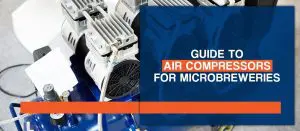
Key Takeaways: Air compressors help breweries move, aerate, clarify, and clean throughout the brewing process. Oil-free compressors are essential for applications where compressed air contacts beer, helping prevent contamination and protect product quality. Choose a compressor based on your brewery’s production needs, budget, facility space, pressure requirements, and long-term efficiency goals. If you know anything […]
Read MoreMarine Industries Powered by Air Compressors

Key Takeaways: Marine industries rely on compressed air for engine starting, pneumatic tools, material transfer, diving, and essential safety systems. Saltwater, humidity, corrosion, and high operating demands make durable equipment and regular maintenance especially important at sea. Draining tanks, managing moisture, checking for leaks, and monitoring pressure help keep marine air compressor systems reliable and […]
Read MoreGuide to Natural Gas Compressors
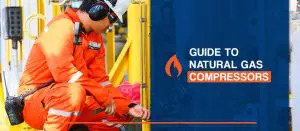
Key Takeaways: Natural gas compressors specifically compress natural gas to increase its pressure and decrease its volume, a distinct function from air compressors that merely use natural gas as fuel. Opting for natural gas air compressors provides benefits like reduced energy costs, enhanced portability for remote sites, and higher efficiency, though they typically operate louder […]
Read MoreGoing Green: Environmentally Friendly Air Compressors

Key Takeaways: Environmentally friendly air compressors help businesses reduce energy use and emissions while improving operational efficiency. Variable-speed compressors adjust output to match demand, helping reduce energy costs. Oil-free compressors provide clean compressed air and avoid oil contamination in production. Regular maintenance, leak repairs, proper fluid handling, and timely equipment upgrades can reduce resource waste […]
Read MoreHow Pneumatic Tattoo Machines Work

Key Takeaways: Tattoo machines operate by rapidly moving a needle to inject ink into the dermis, with different types like rotary, coil, and pneumatic using varied power sources for this action. Pneumatic tattoo machines, powered by compressed air, offer advantages such as silent operation, lightweight design, easy sterilization, and adaptable speed control, setting them apart […]
Read MoreHow to Winterize an RV With Compressed Air

Key Takeaways: Winterizing an RV’s plumbing prevents leftover water from freezing, expanding, and bursting the pipes. Compressed air offers a simple, effective alternative to antifreeze for removing water from RV plumbing. A small compressor set between 30 and 50 PSI can help winterize the system safely for people and pets. The summer travel season is […]
Read MoreGuide to Air Compressors for Scuba Diving

Key Takeaways: Scuba compressors must deliver breathable air at pressures around 3,000 PSI, unlike standard air compressors. Proper filtration and moisture separation are essential to remove oil, water, carbon monoxide, and other contaminants from breathing air. Regular maintenance, including draining moisture, cleaning filters, inspecting hoses, and checking fasteners, helps support safe and reliable operation. Compressed […]
Read MoreAir-Cooled vs Water-Cooled Compressor

Key Takeaways: Air compressors generate heat, requiring either air-cooled systems that use fans and radiators or water-cooled systems that use liquid coolant and heat exchangers to manage temperature. Air-cooled compressors are more common and can recover waste heat to warm buildings, but require ample space and airflow to prevent overheating. Water-cooled compressors, often found in […]
Read MoreBuying a New vs. Used Air Compressor: Which One Is Best?

[Summary: When deciding between a new or used air compressor, each option comes with advantages and trade-offs: Consider an upgrade first if your machine has low operating hours, current technology and readily available spare parts. New air compressors offer the latest technology, higher efficiency and warranty coverage, but come at a higher up-front cost. Used air compressors cost less […]
Read More