



How to Size and Select a Rotary Compressor
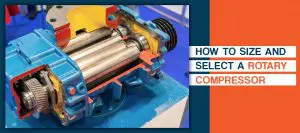
Key Takeaways: To accurately size your rotary compressor, rely on Standard CFM (SCFM) as the most dependable metric for comparison, and always factor in a 30% buffer for unexpected surges in air demand. Rotary screw compressors typically outshine reciprocating models with fewer moving parts, quieter operation, less heat production, lower maintenance needs, and an extended […]
Read MoreHow to Calculate Your Current Air Demand

Key Takeaways: Compressed air systems consume substantial energy, so calculating air demand and adjusting operations are vital for minimizing waste and boosting efficiency. Measuring air demand involves assessing load profiles and flow rates like SCFM, which can be achieved through various methods from quick estimates to long term electronic data logging, to understand actual consumption. […]
Read MoreHow Has the Industrial Air Compressor Market Evolved Over the Last 10 Years?

Key Takeaways: The industrial air compressor market has expanded globally, driven by rapid industrialization in developing regions and constant technological advancements in equipment design. Air compressors serve as vital power sources across diverse sectors like automotive assembly, food and beverage packaging, chemical production, and oil and gas refining. Market growth is shaped by ongoing innovations […]
Read MoreAir Compressor Size
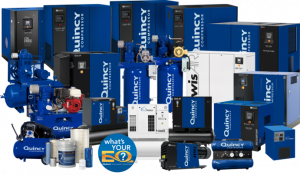
Key Takeaways: Choosing the right air compressor size ensures your pneumatic tools receive adequate power for reliable performance. Calculate your total CFM needs, add a growth buffer, and use the highest tool PSIG requirement as your baseline. Consider motor compatibility, tank size, operating environment, footprint, noise, and long-term value before selecting a compressor. Choosing an […]
Read MoreElectric Air Compressors: How and Why They Save Money and Energy

Key Takeaways: Electric air compressors can lower energy, maintenance, and operating costs compared with comparable diesel models. An energy audit helps identify waste, improve system efficiency, reduce downtime, and determine the right compressor size for your needs. Match compressor capacity to your application using CFM and PSIG requirements, then maintain proper ventilation, cooling, lubrication, and […]
Read MoreAir Compressors in Ski Resorts

Skiing ranges are generally associated with mountains, which most people perceive as being cold enough to produce snow year round. However, natural snow levels are often inefficient for optimal use at ski resorts. These businesses instead rely on artificial snow production, created by pumping cold water high into the air with the power of compressed […]
Read MoreSingle Stage vs. Two Stage Air Compressor
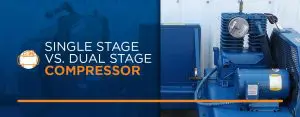
Key Takeaways: Single-stage compression uses one piston stroke to compress air to approximately 120 psi, while two-stage compression compresses air twice for approximately 175 psi with cooling between stages. Single-stage compressors compress air once before storage, whereas two-stage compressors cool the air between compression strokes to improve efficiency and achieve higher pressures. Choosing between single-stage […]
Read MoreThe Benefits of Switching from Mineral Oil Based Lubricants to Synthetic Lubricants in Air Compressors

Key Takeaways: Synthetic lubricants can outlast mineral oils by six to 12 times in demanding air compressor applications, reducing oil change-outs, maintenance labor, and operating costs. Because synthetic oils resist oxidation, heat, contamination, and varnish buildup, they help protect internal components, improve energy efficiency, and extend compressor life. The right lubricant depends on the compressor […]
Read MoreCompressed Air Storage – How to Increase Operating Efficiency and Performance

When it comes to increasing the reliability of your equipment and manufacturing efficiency at your plant, compressed air storage is a critical factor that could result in not only extensive savings on energy expenses, but also increased overall operating performance of your compressed air system. Compressed air systems are vital assets that are utilized in […]
Read MoreThe 14 R’s of Compressed Air Efficiency

Key Takeaways: Minimizing air leakage and reducing low-usage pressure are essential strategies for preventing massive annual energy and financial losses. Optimizing system efficiency requires managing pressure drops, matching storage capacities with compatible air receivers, and eliminating unnecessary low-pressure applications. Achieving long-term operational savings depends on rigorous preventive maintenance, detailed data tracking, heat recovery integration, and […]
Read More
