



How Much Can I Save by Upgrading to a High-Efficiency Compressor?

You can save 30-50% on electricity costs by upgrading to a high-efficiency variable speed drive (VSD) compressor if your compressed air demand fluctuates throughout production cycles. Fixed-speed compressors operating below 80% capacity for extended periods burn energy without proportional air delivery. A high-efficiency VSD model adjusts motor speed to match real-time requirements and operates at […]
Read MoreHow Do I Choose a Good Portable Industrial Air Compressor?
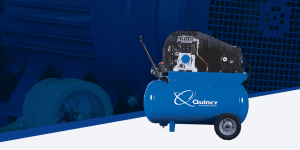
You choose a good portable industrial air compressor by matching five key specifications to your tools, including CFM (airflow volume), PSI (pressure), duty cycle (runtime capacity), tank size and power source. Identify your CFM and PSI requirements based on the tools you’ll run simultaneously and confirm the duty cycle can handle your work pattern without overheating. Select […]
Read MoreWhy Installing an Air Compressor in Your Garage Can Be Beneficial

[Summary: Installing an air compressor in your garage makes a wide range of projects faster, easier and more precise. Versatility: A single compressor can power many tools. Efficiency: Pneumatic tools complete tasks in a fraction of the time compared to manual equivalents. Performance: Compressed air delivers consistent, reliable power for both light-duty and more demanding applications. Value: A properly […]
Read MoreWhat Are the Essential Spare Parts to Keep for an Industrial Air Compressor?
The essential spare parts to keep for an industrial air compressor are filters, separators, oils, lubricants, inlet valves, control air values, donut gaskets and hoses. Having these parts ready to go just makes life easier. Filters and separators help keep dirt and grime out of your machine, so you don’t have to worry about bigger […]
Read MoreWhat Should You Look for When Buying a Vacuum Pump for Your Factory?
When buying a vacuum pump for your factory, you should look for flow rate (CFM), vacuum strength and durability. The flow rate tells you how much air the pump can move. The vacuum strength tells you how much pressure the pump can handle and how deep a vacuum it can create. Durable vacuum pumps are […]
Read MoreWhere Is the Best Place to Buy Replacement Parts for My Air Compressor?
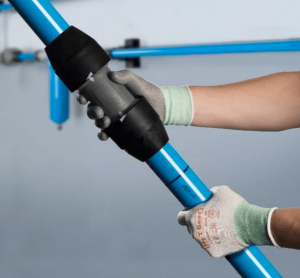
Key Takeaways: OEM air compressor parts provide the proper fit, reliable performance, and compatibility needed for your specific compressor system. Buying from the manufacturer or an authorized dealer can simplify parts identification, improve availability, and reduce equipment downtime. Although OEM parts may cost more initially, their durability and efficiency can lower maintenance expenses and total […]
Read MoreWhat Is the Life Cycle Cost of an Industrial Air Compressor?

The true life cycle cost of an industrial air compressor includes the up-front investment, energy costs, ongoing maintenance and repairs, downtime, and eventual disposal costs. Understanding air compressor life cycle cost helps businesses evaluate the total cost of ownership over the system’s entire operational lifespan — not just the initial purchase price. Breaking Down the […]
Read MoreDesign Considerations for Your Compressor Room
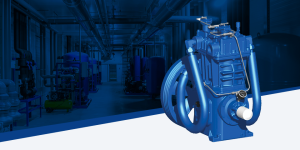
Key Takeaways: A well-planned compressor room is essential for maximizing operational efficiency, accommodating current needs, and ensuring future scalability by carefully integrating airflow and accessibility. Choosing the optimal location, whether centralized for monitoring or decentralized for efficiency, significantly impacts system performance, maintenance, and overall control. Critical design elements include planning for future expansion, safeguarding ambient […]
Read MoreHow to Choose the Right Air Compressors for Nail Guns

Key Takeaways: Most nail gun applications require air compressors rated between 2.0 and 4.0 CFM with pressure ratings of 70 to 120 PSI, with specific requirements varying by nailer type such as framing, finishing, brad, or staple guns. Key factors when selecting a nail gun compressor include portability and weight, noise level, capacity specifications matching […]
Read MoreBreaking Down the Impact Air Compressors Have on Aquaculture Farming

Aquaculture is becoming a critical source of food for people around the world, especially in the United States. With Americans eating more seafood each year, overfishing wild populations is a serious risk. Commercial fish farming, also known as aquaculture, helps meet the rising demand and makes the seafood industry more sustainable. Air compressors play a significant […]
Read More