



How Do Oil-Free Air Compressors Work?
Key Takeaways: Oil-free compressors don’t use oil for lubrication and produce cleaner air. Oil-free compressors compress air through multiple stages with intercoolers and aftercoolers to manage the high heat generated without oil lubrication. Oil-less compressors are ideal for industries such as food, pharmaceutical, medical, and electronics that require pure air. Quincy Compressor carries a variety […]
Read MoreIndustrial Air Compressor Preventative Maintenance
Key Takeaways: Preventive maintenance for air compressors is crucial for proactively addressing potential issues before they lead to costly repairs or unexpected downtime. Regularly inspect and service components like air filters, oil filters, lubricants, motor bearings, and belts. Common maintenance mistakes to avoid include underestimating energy costs, ignoring air leaks and pressure loss, poor condensation […]
Read MoreUnloader Valve: Its Purpose

Key Takeaways: An unloader valve is a small 4-5 inch part that releases trapped air from the compressor tank to allow the motor to restart safely. The valve opens when the pressure switch shuts off the motor, venting accumulated air and minimizing the load on the piston during the restart process. A malfunctioning unloader valve […]
Read MoreFull Guide to Air Compressor Safety

Key Takeaways: Pre-operation checks should include verifying oil levels, fuel levels, air filter condition, and ensuring all components are properly rated for maximum pressure. Compressed air under pressure can cause serious injuries including cuts, air embolism, and organ damage, so operators must wear protective gear and never direct compressed air at skin. Proper equipment setup […]
Read MoreIndustries That Require Air Compressors

Key Takeaways: Compressed air supports a wide range of industries, including automotive, pharmaceutical, food and beverage, agriculture, woodworking, manufacturing, energy, and plastics. Choosing the right air compressor depends on your industry’s operating pressure, CFM requirements, usage patterns, portability needs, tank size, and cleanliness standards. The right compressor and filtration system can improve productivity, precision, safety, […]
Read MoreHow Much Will Compressed Air Cost You?
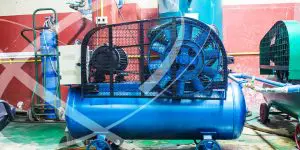
Key Takeaways: Electricity consumption constitutes the largest portion, significantly driving the total lifetime cost of compressed air systems. Initial equipment purchase represents a small fraction, merely 10%, of a compressed air system’s overall operational expenses. Optimizing compressed air costs fundamentally involves proactive maintenance and energy-efficient practices to significantly reduce waste and operational spending. Compressed air […]
Read MoreHow to Find and Fix Leaks in Your Air Compressor System

Key Takeaways: Leaks can be detected by listening for hissing sounds, using soap and water on specific components with the compressor running, or employing ultrasonic leak detectors that identify both audible and inaudible leaks. Commonly leaking components include air hoses, tubes, connectors, and drain traps that should be inspected for loose connections, rust, cracks, and […]
Read MoreEnergy-Efficient Green Production Systems
Green energy helps companies reduce operational costs and contribute to the country’s sustainability efforts. Investing in an energy-efficient air compressor is one of the most effective ways to increase your company’s sustainability, reduce emissions and save money. Why Go Green? Going green offers the following benefits: Green Energy Savings Using energy-efficient green production systems can […]
Read MoreAir Compressors for HVLP Spray Guns

Key Takeaways: HVLP spray guns require air compressors with sufficient CFM and PSI capacity; most applications need 25-30 PSI with some rising to 40 PSI, and professionals recommend at least 12 CFM to ensure continuous atomization and paint distribution. HVLP spray guns use lower air pressure to distribute higher paint volume with greater transfer efficiency, […]
Read MoreOil-Free Air Compressor Maintenance

Key Takeaways: Oil-free air compressors demand regular servicing and inspections to guarantee optimal performance, protect your investment, and maintain the integrity of your processes. Essential maintenance for oil-free units involves diligently checking the safety valve, consistently draining the tank of condensation, and regularly assessing air filter quality for wear or contamination. Adhering to these routine […]
Read More