



How Do Air Compressors Work?
Key Takeaways: Air compressors generate potential energy by forcing atmospheric air under pressure into a tank, which is then released as kinetic energy to power pneumatic tools. Air compression primarily uses either positive displacement, where air volume is reduced in a chamber, or dynamic displacement, which builds pressure rapidly with rotating blades. Common positive displacement […]
Read MoreAll About Three-Phase Air Compressor Wiring

Key Takeaways: Three-phase power efficiently drives heavy-duty industrial compressors but is inherently incompatible with standard single-phase electrical systems found in most settings. Businesses with single-phase power can convert it for three-phase compressors using specialized systems like static converters, rotary phase converters, or variable frequency drives. Conversion methods like VFDs offer varying degrees of capacity, accuracy, […]
Read MoreWhat’s Wrong With My Air Compressor?
Key Takeaways: Common air compressor issues include air leaks, excessive noise, vibration, failure to build pressure, and oil-related problems like loss of oil or excess oil in discharge air. Problems typically stem from maintenance oversights such as loose mounting bolts, clogged intake filters, worn piston rings, improper lubrication, or loose connections. Proper diagnosis involves listening […]
Read MoreAir Compressors and Industrial Automation

Compressed air systems supply pressurized air throughout an industrial facility to power many devices, including tools, automated valves, slide gates, dust collectors, diverters and other precision instruments. A compressed air system functions on pressure. Most systems use a variable speed motor to pressurize the air. In an integrated system, the compressed air passes through a dryer […]
Read MoreHow to Use an Air Compressor to Fill a Tire

Key Takeaways: Before filling a tire, gather the correct tools including a tire chuck to attach to the valve stem, a regulator to control air pressure, and a pressure gauge to monitor the psi and prevent underfilling or overfilling. The basic tire-filling process involves knowing the correct psi from your owner’s manual or vehicle stickers, […]
Read MoreWhat You Should know Before Using an Air Compressor for the First Time

Key Takeaways: Before using an air compressor, identify its type, check the oil if required, wear protective glasses and steel-toe shoes, and place it on a stable surface. Safe startup involves connecting hoses, closing drain valves, reducing hose pressure, and checking the power switch before plugging in and turning on the compressor. Regular maintenance and […]
Read MoreHow Hospitals Use Air Compressors

Key Takeaways: Medical-grade air compressors are indispensable in hospitals, providing clean, oil-free air for operating rooms, intensive care units, and neonatal care. Compressed air powers critical life-support equipment, ventilation systems, filtration units, and specialized medical beds or diagnostic simulators. Rigorous maintenance and reliable filtration are vital to ensure continuous, contamination-free operation and protect vulnerable patients […]
Read MoreAvoiding Rust With Your Air Compressor

Key Takeaways: Rust forms inside air compressor tanks when condensed moisture reacts with internal iron components, eventually compromising structural integrity and creating safety hazards. Once rust has formed, it cannot be safely removed, making regular tank draining and aftercooler installation essential preventive measures. Routine inspections of vessel integrity and moisture levels ensure safe operation and […]
Read MoreHow Are Air Compressors Used in Food Packaging?

Key Takeaways: Food packaging plants use compressed air for tasks such as vacuum sealing, cleaning packaging, generating nitrogen, molding containers, and moving liquids. Air systems fall into contact, non-contact high-risk, and non-contact low-risk categories, depending on whether compressed air can reach food directly or indirectly. Food facilities can reduce contamination risks with controls suited to […]
Read MoreA Guide to Air Compressor Fittings
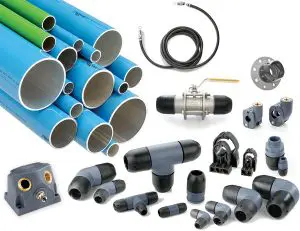
Key Takeaways: Air compressor fittings are crucial for maintaining consistent airflow and pressure to keep your system running efficiently. The three main fitting types are couplers (connect tank to air lines), plugs (seal the connection), and connectors (create secure, leak-free links). Consider elements like hose length, hose size, maximum working pressure, hose type and hose […]
Read More