



What Type of Compressed Air Dryer Do I Need?
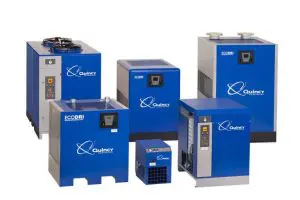
The type of compressed air dryer you need depends on your application sensitivity, required pressure dew point (PDP) and operating environment. Most industrial facilities need a refrigerated air dryer, but applications with compliance-sensitive processes, low pressure dew points or outdoor piping typically need a desiccant air dryer. Understanding your application and precise needs can help […]
Read MoreWhat Air Compressor Is Best for Injection Molding Machines?
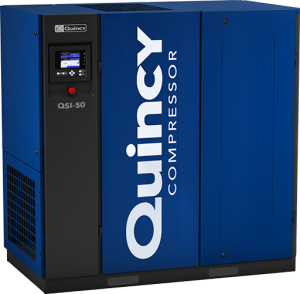
The best air compressor for injection molding machines is one that provides a steady air supply and stable pressure to power your pneumatic equipment without interruption. Injection molding demands uncompromising reliability to produce uniform, high-quality parts within strict cycle times. A top-tier system must efficiently handle varying demand and maintain clean and oil-free air for […]
Read MoreWhat Factors Impact the Lifespan of an Air Compressor?
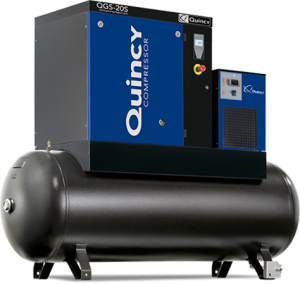
Several factors impact the lifespan of an air compressor, including design, maintenance, operating environment and frequency of use. The average industrial compressor generally lasts 10 to 15 years but can last longer or shorter based on these factors. Understanding what impacts an air compressor’s longevity is important for investment protection, avoiding downtime and making a […]
Read MoreWarehouse Air Compressor Selection Guide

Choosing an undersized air compressor for your warehouse causes the unit to struggle with simultaneous tool use, leading to pressure drops that slow pneumatic tools and shorten their service life. An oversized compressor creates cycling inefficiency while driving up energy costs. Picking the right system means weighing several factors and knowing when a situation calls […]
Read MoreWhat Maintenance Does a Desiccant Air Dryer Require?

A desiccant air dryer requires maintenance on components such as its filtration, valving, desiccant, purge muffler, control system, blower and temperature controls. Here are the maintenance checks, repairs and replacements that desiccant dryers need: Drain and Separator Function Testing The drain valve in a desiccant air dryer must work properly to drain condensate from the […]
Read MoreHeatless vs. Heated-Purge vs. Blower Purge Desiccant Dryers

Some industrial processes require dew points below 35°F to 40°F, a range that refrigerated dryers cannot reach. Heatless, heated and blower purge dryers close that gap by adsorbing moisture from compressed air. Each can produce reliably dry results. The method each type uses to regenerate desiccant makes them unique, and that difference drives real swings […]
Read MoreWhat Industries Commonly Use Vacuum Pumps and How Do They Benefit?
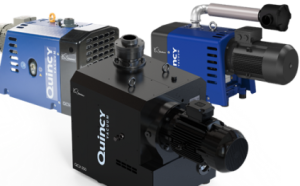
Manufacturing, pharmaceuticals, food processing, aerospace, automotive and healthcare are some of the industries that commonly use vacuum pumps to improve process control, product quality, safety and efficiency. Vacuum pumps are mechanical devices that remove air and other gases from a sealed space to create a partial vacuum. This technology is essential for processes that demand […]
Read MoreHow Does Air System Piping Affect the Performance of an Air Compressor?
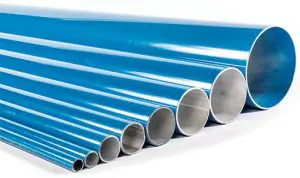
Your air system piping controls how efficiently compressed air gets from the compressor to your tools — and how well it does that depends on pipe size and fittings, layout design and material choice. Get any one of these wrong, and you’ll see pressure drop before air reaches your equipment, pushing your compressor to work harder and […]
Read MoreHow To Maintain Consistent Air Pressure in a Manufacturing Environment
Maintaining consistent air pressure in a manufacturing environment depends on three factors. Regulating pressure at the right points in your piping, staying ahead of leaks and auditing your system regularly. Miss any one of these, and it shows up as pressure drops where your equipment runs. Each of these factors works together. The right regulators […]
Read MoreHow To Compare the Operating Costs of Different Air Compressors

Key Takeaways: Electricity consumption constitutes the vast majority of an air compressor’s total lifetime expense, making daily running costs far more critical than upfront purchase prices. Comparing operating costs requires evaluating electricity use, production efficiency, control matching, and routine maintenance requirements for specific applications. Matching compressor controls like variable speed drives to actual demand and […]
Read More