



Taking Advantage of Available Energy Efficient Rebates

Key Takeaways: DSIRE and Energy.gov can help businesses search for location-specific energy-efficiency incentives and review program eligibility. Energy-efficient equipment can reduce utility costs and resource use, so purchase decisions should consider energy, service, and other lifetime costs, not just the initial price. An air compressor efficiency assessment or self-analysis worksheet can help identify where a […]
Read MoreA Guide to Using KPIs for Compressed Air Efficiency

Key Takeaways: Compressed air KPIs help teams assess system efficiency and guide decisions, rather than focusing only on whether equipment receives enough pressure. Tracking pressure, power use, airflow, dryer dew point, specific power, leaks, temperature, and emissions can help uncover inefficiencies. Comparing KPI trends with production demands and employee observations can help pinpoint when and […]
Read MoreOil Consumption in Air Compressors: Helpful Facts
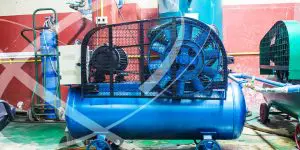
Oil plays a crucial role in many mechanical and electric devices. It powers, lubricates and cools, keeping machines running smoothly. It is a precious resource, and conserving it helps preserve the environment and lower your operating expenses. Oil is also a very important component of your air compressor. It performs a number of critical functions, […]
Read MoreAir Compressor Warranty: What You Need To Know

Key Takeaways: An extended air compressor warranty can help protect against unexpected component failures, reduce repair costs, and limit machine downtime. Quincy’s warranty programs offer different coverage by compressor model and components, including the Royal Blue, True Blue, No Bull, and Blue Shield options. Warranty requirements vary by program and can include registering the unit, […]
Read MoreWhy You Should Choose A Premium Efficiency Motor

Key Takeaways: Premium efficiency motors use less energy, helping organizations reduce operating costs over the equipment’s lifespan. Their high-quality construction can improve reliability, reduce maintenance needs, and support longer service life. Evaluating total life cycle cost, including energy, parts, service, and purchase price, helps identify the best long-term investment. What do you value in a […]
Read MoreHow to Calculate Air Compressor Efficiency

Owning a machine that uses energy in an economical way is a goal that consumers in both the personal and professional realms share. You want to own and operate equipment that runs over long periods of time, using a minimal amount of energy. Efficient machinery can save you time and money and provide reliable operation […]
Read MoreThe Benefits of Air Compressor Training

Key Takeaways: Compressed air training equips employees with the knowledge to optimize system operations, identify waste, and significantly lower utility and repair costs. Educating workers across multiple departments on proper pressure usage and routine maintenance improves energy efficiency and extends equipment lifespan. Comprehensive training enhances workplace safety by educating personnel on major compressed air hazards, […]
Read MoreHow Reciprocating Compressors Are Used in Refineries

Key Takeaways: Air compressors are crucial in diverse refineries, powering complex processes to transform raw materials into essential products like fuels and food oils. Refineries use compressors extensively in high-pressure processes such as hydrocracking and desulfurization to improve fuel quality and purity. Various compressor types, including reciprocating and rotary screw, are vital in refineries, each […]
Read MoreHow a Pneumatic Robot Arm Works

Key Takeaways: Pneumatic robotic arms utilize compressed air from a compressor, reservoir, valves, and circuits to power actuators for movement, offering a distinct alternative to electric motors. These systems provide benefits like high precision, durability in extreme temperatures, and simpler maintenance compared to electronic counterparts, though they have limitations in speed control and can incur […]
Read MoreHow to Identify Reciprocating Compressor Valve Failure

Key Takeaways: Abnormal pressure readings, specifically high suction and low discharge, serve as primary indicators of impending reciprocating compressor valve failure. Unusual operational characteristics, such as a very quiet compressor or abnormally low amp draw, often signal issues with compressor valve functionality. Elevated discharge temperature and carbonized valve oil directly indicate valve sealing problems, potentially […]
Read More
