



Guide to Compressed Air Piping Systems
Key Takeaways: Proper piping design, installation, and maintenance are critical for delivering compressed air with sufficient volume, quality, and pressure while preventing equipment failure and excessive energy costs. OSHA-approved plastic pipes include ABS, PE, and HDPE which resist corrosion, while black steel is the most recommended metal option despite producing rust contamination. Metal pipe joints […]
Read MoreHow Cellular Connectivity Can Improve Your Compressed Air System

Equipment failure is a consistent danger to your company’s production schedule, whether it’s from overdue maintenance or unexpected breakdowns. Compressor systems are particularly prone to such problems — malfunctioning air compressor systems cause several days of downtime each year, costing companies vast amounts of money, not only in maintenance, but also in reduced productivity. Despite […]
Read MoreQuincy Compressor Donates Air Compressors to Local Fire Departments
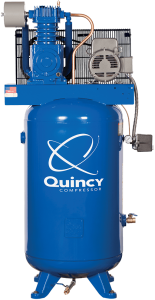
In an effort to support the community, Quincy Compressor is donating two compressors to two local fire departments. The Perdido Alabama Fire Department and the Loxley Alabama Fire Department, which are the two closest volunteer fire stations to our facility, will receive two QT-5 air compressors as a “thank you” for keeping our community safe. The […]
Read MoreHow to Plan a Successful Air Compressor Maintenance Budget

Key Takeaways: A proactive maintenance budget helps prevent costly repairs, unexpected downtime, and premature air compressor failure. Your compressor type, installation conditions, usage, safety requirements, cooling system, and auxiliary equipment all affect maintenance costs. Routine servicing and an air system audit can improve reliability, extend equipment life, and help you plan expenses more accurately. Maintenance […]
Read MoreHow to Maintain Your Air Compressor Filters
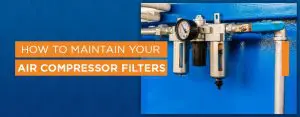
Key Takeaways: Air compressor filters are crucial for trapping contaminants and maintaining air quality, directly impacting your system’s efficiency and longevity. Adhering to a regular maintenance schedule, including cleaning, inspecting, and timely replacement of filter elements, is vital to prevent equipment damage and ensure optimal performance. Failing to properly maintain your filters can lead to […]
Read MoreMeeting Standards for Compressed Air for Railway Systems

Key Takeaways: Clean compressed air is vital for operating train braking, doors, pantographs, and suspension systems, preventing critical safety failures and delays. Maintaining strict air purity requires advanced filtration systems to eliminate atmospheric dirt, moisture condensation, and degraded oil contaminants. Proper maintenance and filtration protect railway pneumatic equipment from corrosion, pipe scale, and system breakdowns, […]
Read MoreAir Compressor Accessories that Make the Job Easier

Air compressors are known for their ease of use. End-use tools are simpler, deliver quick and responsive power and are easier to maintain than traditional electric tools. With the exception of the technician in charge of keeping the compressed air system running, many people don’t give air compressors a second thought. However, there are a […]
Read MoreHow to Prevent an Air Compressor from Overheating

Key Takeaways: Air compressor overheating is a leading cause of failure, often stemming from issues like low suction pressure, excess discharge pressure, inadequate ventilation, or degraded oil. Warning signs of an overheating compressor include failure to start, frequent circuit breaker trips, unusual noises or burnt oil smells, and accelerated component wear. Sustained high temperatures, especially […]
Read MoreA Guide to Troubleshooting Air Compressor Vibration
Key Takeaways: Vibration is commonly caused by loose or misaligned mounting bolts, weak mounting brackets, bent crankshafts, or improperly tensioned belts. Fixing vibration involves tightening or replacing mounting bolts and brackets, inspecting the crankshaft for bending or rust, and checking belts for damage or improper tension. Always turn off the compressor before attempting inspection, and […]
Read MoreWhat does the Air Compressor in a Car do?

Key Takeaways: A car’s air compressor pressurizes refrigerant and cycles it through the condenser, dryer, expansion valve, and evaporator to remove heat and moisture, delivering cold air into the passenger compartment. A/C compressors should be activated for at least 10 minutes every 30 days during winter to prevent stagnation. Strange noises, fluid leaks, reduced cooling […]
Read More