



A Guide to Troubleshooting Air Compressor Vibration

Key Takeaways: Vibration is commonly caused by loose or misaligned mounting bolts, weak mounting brackets, bent crankshafts, or improperly tensioned belts. Fixing vibration involves tightening or replacing mounting bolts and brackets, inspecting the crankshaft for bending or rust, and checking belts for damage or improper tension. Always turn off the compressor before attempting inspection, and […]
Read MoreWhat does the Air Compressor in a Car do?

Key Takeaways: A car’s air compressor pressurizes refrigerant and cycles it through the condenser, dryer, expansion valve, and evaporator to remove heat and moisture, delivering cold air into the passenger compartment. A/C compressors should be activated for at least 10 minutes every 30 days during winter to prevent stagnation. Strange noises, fluid leaks, reduced cooling […]
Read MoreFor Maximum Performance, Keep Your Compressors Cool

Key Takeaways: Effective heat management is essential for trouble-free air compressor operation, utilizing diverse cooling systems like liquid cooling, heat exchanges, or natural air convection. Inadequate compressor ventilation risks damaging internal components and creating facility hazards, making proper airflow and ducting crucial during installation. Redirecting compressor-generated heat through ducting systems allows facilities to creatively harness […]
Read MoreFull Guide to Air Compressor Condensation and Moisture

Key Takeaways: Undersized air compressors, failing machines, and humid environments cause excess moisture. Moisture can harm your compressor and causes rust, paint dilution, tool degradation, and reduced efficiency. Water traps, refrigerated dryers, desiccant dryers, and piping systems remove moisture and help dry your compressed air. Regularly drain your tank and troubleshoot drain valves to prevent […]
Read MoreHow to Calculate the Correct Compressed Air Pipe Size
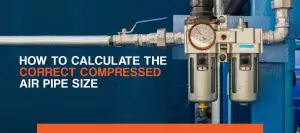
Key Takeaways: Incorrect pipe sizing can compromise system efficiency. Optimal pipe diameter is determined by system distance and air volume requirements. Smooth bore piping and proper air velocity prevent pressure drops. An air compressor can drastically reduce the time, coordination and stamina that have traditionally been required for a range of manual tasks. With an […]
Read MoreA Guide to Maintaining Compressed Air System Air Quality
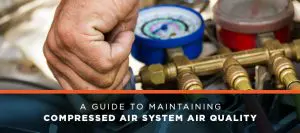
Key Takeaways: Particulates, moisture, and excess lubricant can contaminate compressed air and reduce system performance. Poor air quality can cause corrosion, equipment wear, higher energy costs, downtime, and premature compressor failure. Air quality requirements vary by application, so filtration and drying should match the system’s needs without over-cleaning. Aftercoolers, dryers, and filters address different air […]
Read MoreCompressed Air in Wastewater Treatment

Wastewater treatment plants supply clean water to millions of people worldwide. As such, wastewater treatment plants require state-of-the-art equipment to power their day-to-day operations, including numerous tools that empower these plants to consistently purify water and ensure communities can enjoy the highest-quality water possible. Did you know that compressed air often plays a key role […]
Read MoreWhat to Look for When Purchasing a Used Air Compressor
Key Takeaways: A used air compressor can be a lower-cost temporary option when it has been properly maintained and inspected. The compressor’s power source, portability, and setup should suit the worksite: electric models need access to power, while gas-powered models are intended for outdoor use. Tank size, CFM, and PSI should match the tools and […]
Read MoreThe Importance of Tire Inflation

Key Takeaways: Proper tire inflation improves safety, fuel efficiency, handling, and tire lifespan. Overinflated and underinflated tires cause uneven tread wear, reduce performance, and increase the risk of damage or accidents. Check tire pressure regularly when tires are cold, using the vehicle manufacturer’s recommended PSI rather than the tire’s maximum rating. Vehicles are expensive and […]
Read MoreA Guide to Dental and Medical Air Compressors

Key Takeaways: Medical and dental fields rely on specialized compressed air systems for powering tools, rehabilitation equipment, and direct patient care, necessitating exceptionally pure and contaminant-free air. These critical systems must adhere to strict regulations like NFPA 99, requiring specific dew points, various alarms, and intake requirements, typically utilizing oil-less and banked compressors for consistent […]
Read More