



Reduce Your Carbon Footprint with Efficient Air Compressors
Key Takeaways: Upgrading to energy-efficient air compressors helps facilities lower greenhouse gas emissions, cut energy costs, and comply with government environmental regulations. Improving system sustainability involves scheduling air audits, automating monitoring, checking filters, installing zero-loss drains, and using low-friction aluminum piping. Advanced technologies like variable speed drives, microburst regeneration dryers, and variable capacity controls maximize […]
Read MoreIndustrial Air Compressor Preventative Maintenance

Key Takeaways: Preventive maintenance for air compressors is crucial for proactively addressing potential issues before they lead to costly repairs or unexpected downtime. Regularly inspect and service components like air filters, oil filters, lubricants, motor bearings, and belts. Common maintenance mistakes to avoid include underestimating energy costs, ignoring air leaks and pressure loss, poor condensation […]
Read MoreWhy Is My Air Compressor Losing Pressure?

Key Takeaways: Pressure drop signifies air pressure loss within a compressed air system, adversely affecting tool performance, reducing efficiency, and increasing energy consumption. Inconsistent air pressure from structural damage, poor system design, and internal blockages are primary contributors to pressure drop, hindering optimal compressed air delivery. Leaks, gunk accumulation, temperature variations, and inadequate regulators further […]
Read MoreRotary Screw Compressor Maintenance Guide

Key Takeaways: Regular rotary screw compressor maintenance prevents costly downtime, emergency repairs, and premature equipment failure. Inspect the airend, drive train, motor, filters, and lubricants regularly to maintain safe, efficient, and reliable operation. Follow the manufacturer’s maintenance schedule and investigate unusual heat, noise, vibration, pressure changes, or oil carryover promptly. Of all the different types […]
Read MoreWhat Is Class Zero Air?

Key Takeaways: Class Zero air represents the highest compressed air purity standard, with no detectable oil contamination. Oil-free compressors help protect sensitive products and support compliance in pharmaceutical, food, beverage, and electronics applications. Choosing Class Zero technology can improve efficiency, reduce maintenance costs, and prevent contamination-related downtime or product recalls. What Is Class Zero Air? […]
Read MoreAvoiding Rust With Your Air Compressor

Key Takeaways: Rust forms inside air compressor tanks when condensed moisture reacts with internal iron components, eventually compromising structural integrity and creating safety hazards. Once rust has formed, it cannot be safely removed, making regular tank draining and aftercooler installation essential preventive measures. Routine inspections of vessel integrity and moisture levels ensure safe operation and […]
Read MoreHow Has the Industrial Air Compressor Market Evolved Over the Last 10 Years?
Key Takeaways: The industrial air compressor market has expanded globally, driven by rapid industrialization in developing regions and constant technological advancements in equipment design. Air compressors serve as vital power sources across diverse sectors like automotive assembly, food and beverage packaging, chemical production, and oil and gas refining. Market growth is shaped by ongoing innovations […]
Read MoreHow to Calculate Your Current Air Demand

Key Takeaways: Compressed air systems consume substantial energy, so calculating air demand and adjusting operations are vital for minimizing waste and boosting efficiency. Measuring air demand involves assessing load profiles and flow rates like SCFM, which can be achieved through various methods from quick estimates to long term electronic data logging, to understand actual consumption. […]
Read MoreHow to Size and Select a Rotary Compressor
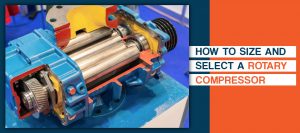
Key Takeaways: To accurately size your rotary compressor, rely on Standard CFM (SCFM) as the most dependable metric for comparison, and always factor in a 30% buffer for unexpected surges in air demand. Rotary screw compressors typically outshine reciprocating models with fewer moving parts, quieter operation, less heat production, lower maintenance needs, and an extended […]
Read MoreThe Benefits of Air Compressor Training

Key Takeaways: Compressed air training equips employees with the knowledge to optimize system operations, identify waste, and significantly lower utility and repair costs. Educating workers across multiple departments on proper pressure usage and routine maintenance improves energy efficiency and extends equipment lifespan. Comprehensive training enhances workplace safety by educating personnel on major compressed air hazards, […]
Read More