



What Is the Life Cycle Cost of an Industrial Air Compressor?

Key Takeaways: An industrial air compressor’s life cycle cost includes purchase and installation, energy, maintenance and repairs, downtime, and eventual removal or disposal. Energy use, system pressure, operating hours, air leaks, workload, and maintenance practices all affect the compressor’s long-term cost of ownership. Comparing long-term operating costs, reliability, and performance can help businesses make informed […]
Read MoreHow to Calculate Air Compressor Efficiency

Owning a machine that uses energy in an economical way is a goal that consumers in both the personal and professional realms share. You want to own and operate equipment that runs over long periods of time, using a minimal amount of energy. Efficient machinery can save you time and money and provide reliable operation […]
Read MoreOil Consumption in Air Compressors: Helpful Facts
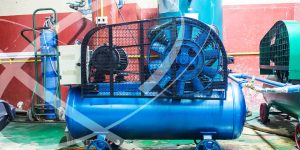
Oil plays a crucial role in many mechanical and electric devices. It powers, lubricates and cools, keeping machines running smoothly. It is a precious resource, and conserving it helps preserve the environment and lower your operating expenses. Oil is also a very important component of your air compressor. It performs a number of critical functions, […]
Read MoreCompressed Air Storage – How to Increase Operating Efficiency and Performance
When it comes to increasing the reliability of your equipment and manufacturing efficiency at your plant, compressed air storage is a critical factor that could result in not only extensive savings on energy expenses, but also increased overall operating performance of your compressed air system. Compressed air systems are vital assets that are utilized in […]
Read MoreSingle Stage vs. Two Stage Air Compressor
Key Takeaways: Single-stage compression uses one piston stroke to compress air to approximately 120 psi, while two-stage compression compresses air twice for approximately 175 psi with cooling between stages. Single-stage compressors compress air once before storage, whereas two-stage compressors cool the air between compression strokes to improve efficiency and achieve higher pressures. Choosing between single-stage […]
Read MoreAir Compressors in Ski Resorts

Key Takeaways: Ski resorts use air compressors to help turn water into artificial snow when natural snowfall is insufficient. In air-and-water snow guns, compressed air propels water droplets into cold air so they can freeze before reaching the slopes; airless guns use fans to project the water. Snowmaking systems can recycle water as artificial snow […]
Read MoreChoosing the Right Filter for Your Air Compressor System

Key Takeaways: Effective air filtration is vital for compressor systems, safeguarding tools, boosting efficiency, and ensuring air purity by removing diverse contaminants. Selecting appropriate filter types, such as particulate, carbon, or coalescing, is key for targeting specific impurities and meeting operational or regulatory standards. Optimal filter choice hinges on compressor specifics, usage, and industry needs, […]
Read MoreA Guide to Using KPIs for Compressed Air Efficiency

Key Takeaways: Compressed air KPIs help teams assess system efficiency and guide decisions, rather than focusing only on whether equipment receives enough pressure. Tracking pressure, power use, airflow, dryer dew point, specific power, leaks, temperature, and emissions can help uncover inefficiencies. Comparing KPI trends with production demands and employee observations can help pinpoint when and […]
Read MoreImproving Operating Efficiency

How can I improve my operating costs? Can operating a profitable company also be environmentally friendly? For most companies, the idea of protecting the environment and conserving natural resources brings to mind expensive renovations and higher operating cost. One way to help the environment and lower operating costs at the same time is to take […]
Read MoreSnow Removal, Ice Chilling and More Winter Work for Air Compressors

Key Takeaways: Air compressors facilitate diverse winter tasks, including snow removal, automating traction with tire chains, and creating artificial snow. They are critical for both large-scale and home ice production, using refrigeration cycles to maintain frozen surfaces. Air compressors are essential for winterizing systems to prevent freeze damage, requiring specific seasonal maintenance for their own […]
Read More
